
When AI Gives the Wrong Answer, Is the Model Really the Problem?
When AI gives the wrong answer, the problem may not be the model. Learn how outdated, conflicting, and unowned knowledge undermines AI at work.
When AI gives the wrong answer, the problem may not be the model. Learn how outdated, conflicting, and unowned knowledge undermines AI at work.

Orientation introduces employees to the company. Effective onboarding helps them find answers, understand how work gets done, and succeed long after day one.

Treat organizational knowledge like a product: designed for users, easy to find, trustworthy, owned, and improved over time.
Meta description:

Agentic AI can help L&D teams move faster—but only when clear rules define what AI agents can access, decide, and do.
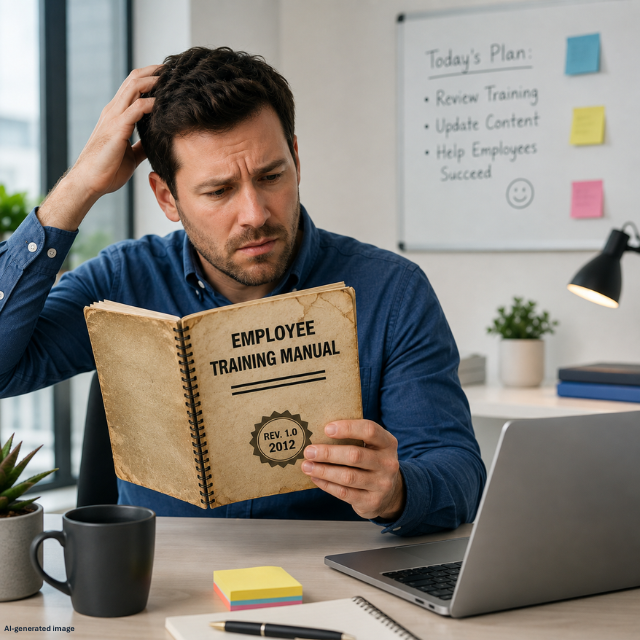
Outdated training can lead to confusion, inconsistent performance, and some seriously creative workarounds. Here are five signs your training materials are ready for a refresh.
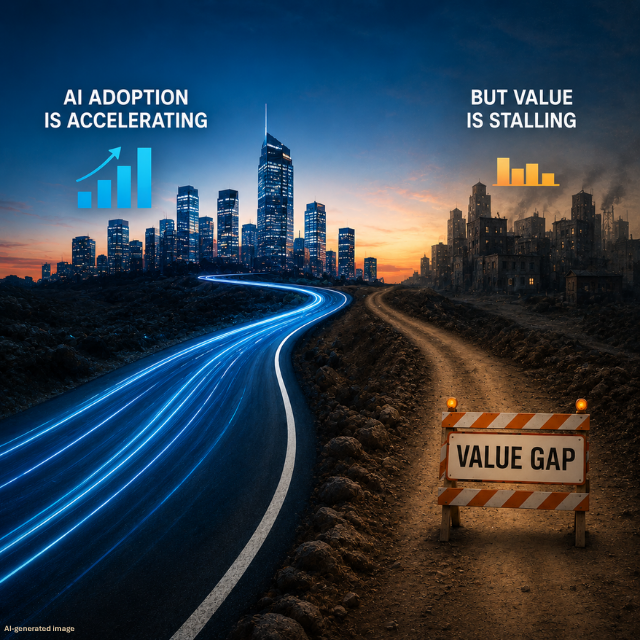
AI adoption continues to grow, but organizational value isn’t keeping pace. McKinsey’s 2026 State of AI survey reveals why the next phase of AI transformation depends on knowledge, learning, processes and leadership.

A modern learning culture goes far beyond training. Learn how knowledge sharing, documentation, performance support, and continuous learning help organizations adapt and improve.

Crafting an effective handbook requires more than just a template and a few policies—it’s about creating a document that both informs and engages your employees.
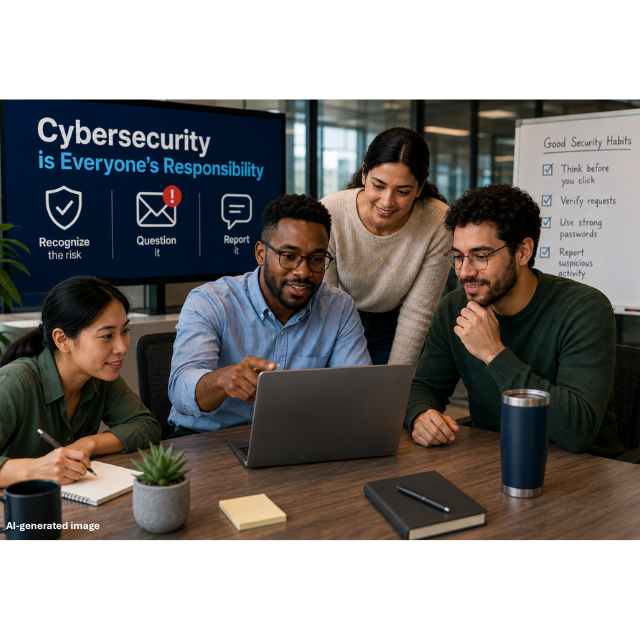
People are often called the weakest link in cybersecurity, but that doesn’t have to be true. Discover why emotionally intelligent, scenario-based cybersecurity awareness training helps employees make better decisions than fear-based compliance programs—and how learning and technical communication can strengthen your organization’s first line of defense.
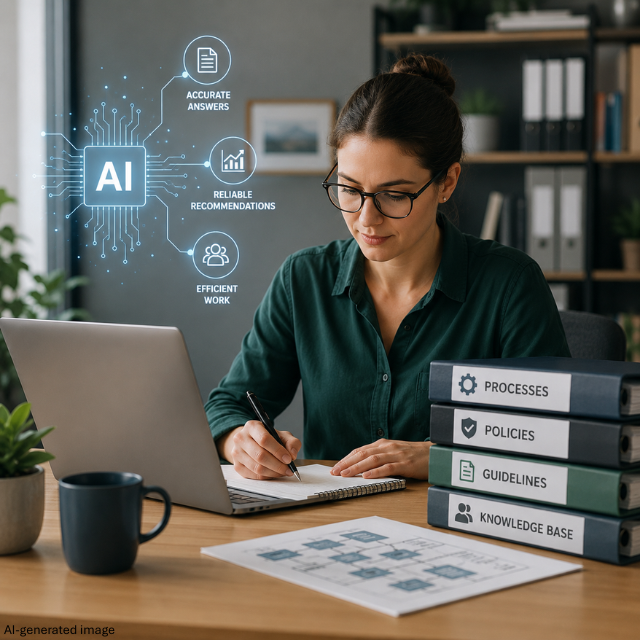
AI has a surprising new favorite employee: the one who documents decisions, follows consistent processes, and makes knowledge easier for others to use. As AI becomes part of everyday work, those habits are becoming more valuable than ever.