Every year on January 23, communities celebrate National Reading Day, a nationwide effort to help children fall in love with books. It’s a joyful reminder that literacy isn’t just a school skill. It’s a lifelong foundation for curiosity, imagination, and clear communication.
But for technical writers, instructional designers, and content creators, National Reading Day is more than a feel-good observance. It’s a reminder that if we want to create better content in an AI-powered world that’s flooded with “good enough” text, we must keep sharpening our own reading habits. And we can’t forget that kids (and neighbors, and colleagues) are watching. Writers who read send a message: words matter, clarity matters, and storytelling still matters.
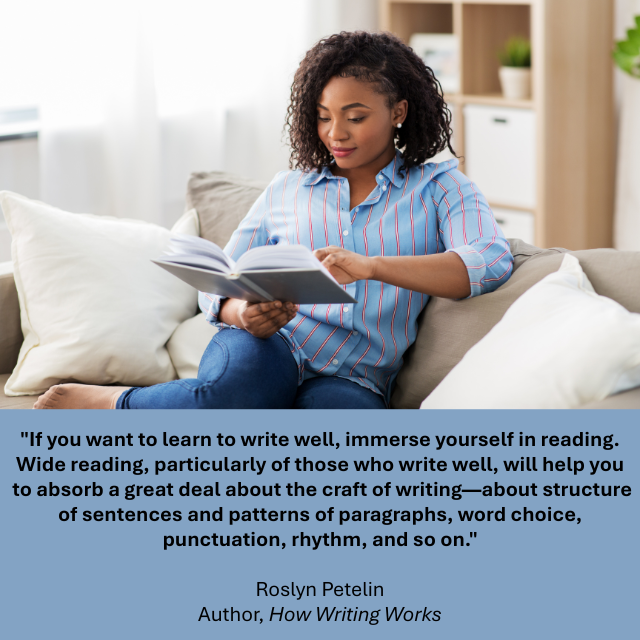
You can’t produce strong content if you’re not regularly absorbing it. Reading stretches the same muscles that produce high-quality work:
This matters even more now that AI tools can generate endless text. If every writer uses the same tools but only some writers understand what excellent writing looks and feels like, those readers—and writers—will stand out. Reading is how we learn to edit, how we build taste, and how we recognize when AI’s output needs human refinement instead of copy-paste acceptance.
Artificial intelligence can support writers, but it can’t replace human judgment. Reading builds the one thing AI can’t replicate: lived experience, emotional intelligence, and contextual understanding.
When you read:
These insights shape better documentation, training, UX copy, and long-form content. They help you determine whether AI-generated text is accurate, ethical, or user-friendly. In other words, reading makes you a better “editor of machines” as well as a better writer.
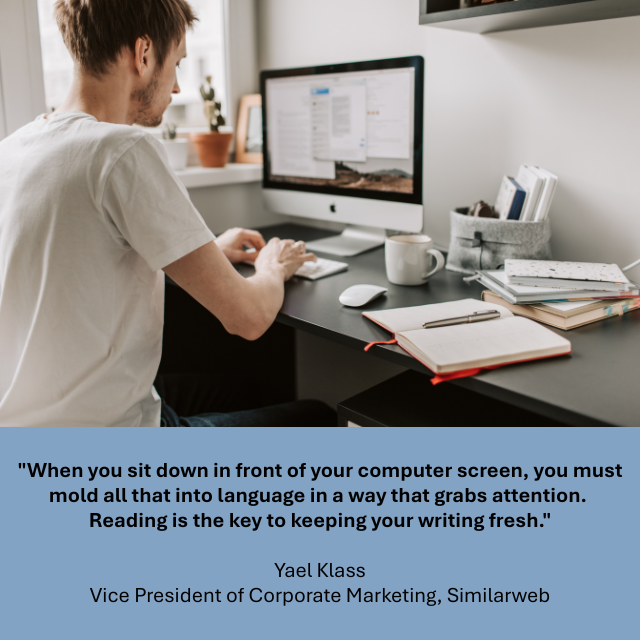
On National Reading Day, kids across the country open books, discover characters, and dream bigger dreams. When adults model reading, it reinforces that learning doesn’t stop at graduation or when you land a full-time job.
For professional writers, this day is also a chance to strengthen community literacy in small, meaningful ways:
When children see adults reading newspapers, novels, industry articles, or even instruction manuals, they see reading as a normal and joyful part of adult life. And when colleagues see strong, intentional reading habits, it encourages a culture of continuous learning and better writing.
Technical writing is often misunderstood as purely functional. Yet the best technical writers are also strong readers. Here’s how reading translates into better documentation and user support:
Every well-written help article, job aid, tutorial, or knowledge base entry starts with a writer who has internalized what good writing feels like.
If you create content, train others, manage projects, or build documentation, National Reading Day is an invitation to refresh your reading life.
Here’s a simple challenge:
And if you can, read in front of a child or share a book with someone in your community. The next generation of readers—and future technical writers, designers, analysts, and leaders—will grow up with better communication skills because they saw adults modeling the joy of reading.
Reading shapes better people. Better people shape better writing. Better writing shapes better workplaces and communities.
And that’s something worth celebrating every day.
Rediscovering the Joy of Reading in a Digital Age
Technical Writing: Principles and Characteristics
Noah Webster Would Have Made a Great Tech Writer
Klass, Yael. “The 7 Habits of Successful Content Writers.” Search Engine Journal. 21/1/21. Accessed 12/31/25. https://www.searchenginejournal.com/habits-successful-content-writers/428249
Petelin, Roslyn. “How Reading Will Help Your Writing and Add Pleasure to Your Life.” Routledge. 12/13/24. Accessed 12/31/25. https://blog.routledge.com/humanities-and-media-arts/how-reading-will-help-your-writing-and-add-pleasure-to-your-life