
January 17 is Ditch New Year’s Resolutions Day, the day when gym parking lots typically start to empty, planners gather dust, and our best intentions quietly slip back into the “maybe next week” pile.
The day exists for one simple reason: a large percentage of people have already given up on their resolutions by now. But instead of feeling guilty about it, maybe it’s time to ask why resolutions fail, and how we can turn that early burnout into better long-term growth.
New Year’s resolutions sound good in theory. They give us a sense of control and a clean slate. But the way we set them up often guarantees failure.
Common reasons resolutions fade fast:
It’s not that we lack discipline; it’s that resolutions often skip the most important step—planning how change will actually happen.
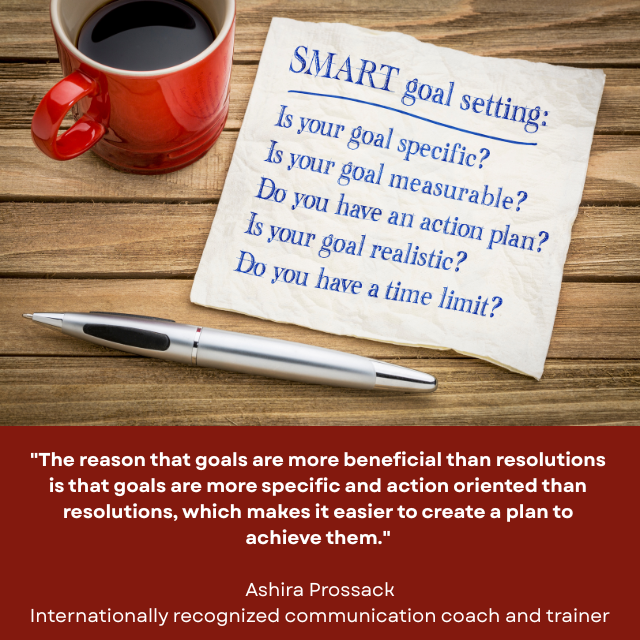
The word resolution implies a one-time decision. A goal implies a process. That small shift in language changes everything.
When you set goals instead of resolutions:
Example: Instead of “I’m going to run five miles every morning,” try “I’ll move my body four times a week and increase gradually.” One approach invites failure; the other allows flexibility and success.
Long-term success depends on sustainable habits, not quick fixes. Here’s how to build momentum that lasts:
Think of it like running a marathon. You don’t sprint the first mile; you pace yourself, take breaks, and celebrate each checkpoint.
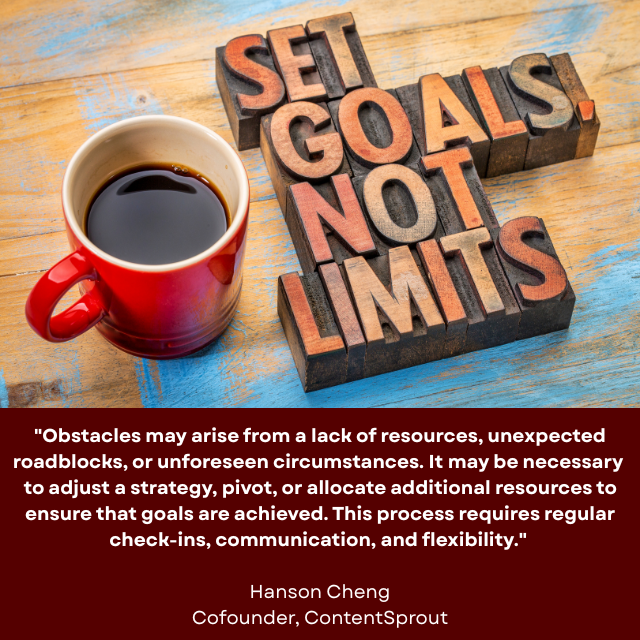
Even the best-laid goals need fine-tuning. Instead of waiting until next January to reflect, check in monthly or quarterly:
Pair that reflection with accountability—through a mentor, team, or even a digital tracker—and you’ll find that small, regular check-ins do more for progress than one big burst of New Year enthusiasm.
Ditch New Year’s Resolutions Day isn’t about giving up, but about letting go of unrealistic expectations and starting fresh with a better framework. The goal is maintainable progress, not perfection.
Whether you’re writing documentation, building training programs, or improving your health, the same rule applies: consistency beats intensity every time.
So, if you’ve already ditched your resolution, congratulations. You’re just in time to start something that actually works.
Year-End Reflection and Setting Professional Goals for the New Year
Help! My Goals Already Seem Overwhelming!
Rediscovering the Joy of Reading in a Digital Age
References
Cheng, Hanson. “How To Use Accountability To Define & Reach Your Goals.” Hive. 5/12/23. Accessed 12/18/25. https://hive.com/blog/goal-accountability
Prossack, Ashira. “Why You Should Set Goals, Not Resolutions This Year.” Forbes. 12/31/21. Accessed 12/18/25. https://www.forbes.com/sites/ashiraprossack1/2021/12/31/why-you-should-set-goals-not-resolutions-this-year