The Knowledge AI Can’t See (But Your Organization Runs On)
AI is powerful, but it cannot replicate experience. This article explores why tacit knowledge is critical, where AI falls short, and how organizations can capture and scale real expertise.
AI is powerful, but it cannot replicate experience. This article explores why tacit knowledge is critical, where AI falls short, and how organizations can capture and scale real expertise.

Disruptions expose more than system weaknesses—they reveal whether your organization can access the right information when it matters most. Here’s how structured knowledge systems keep operations moving under pressure.

Disasters don’t just test systems. They expose them. From catastrophic failures to remarkable saves, real-world events show that preparation only works when training, documentation, and leadership are built to perform under pressure.

Say goodbye to words and hello to 😂🔥🍕. The Emoji-Only Documentation Standard is the next big leap in workplace communication—or at least a fun reminder that clarity still matters.

Psychological safety is more than a culture buzzword—it directly impacts performance, safety, and employee well-being. This article explores why it matters and how leaders can build environments where employees speak up, engage, and succeed.

The Triangle Shirtwaist Factory fire changed American labor history, but it was Frances Perkins who transformed tragedy into lasting workplace reform. Her leadership offers a powerful lesson for organizations navigating change, safety, and accountability today.

In today’s AI-driven workplace, data is everywhere—but it doesn’t tell the whole story. Effective leadership requires more than analytics. It requires emotional intelligence. We explore how leaders can turn insight into human-centered action and how organizations can support them through training, communication, and knowledge systems.
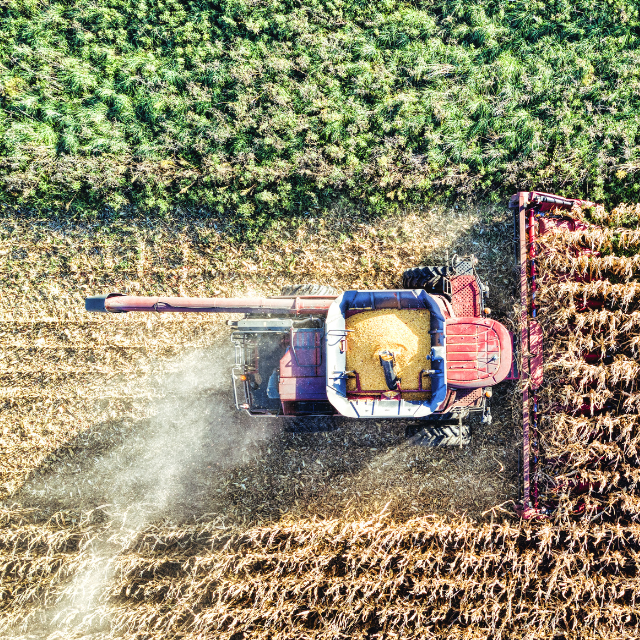
The agriculture industry plans for failure because it has to. On World Agriculture Day, explore what farming teaches us about crisis readiness, resilient systems, and why preparation matters more than reaction when disruption hits.

Change is no longer an event—it is the environment organizations operate in every day. This final post in our Change Management Series explores how to build a change-ready culture through structured training, documentation, leadership clarity, and continuous learning.
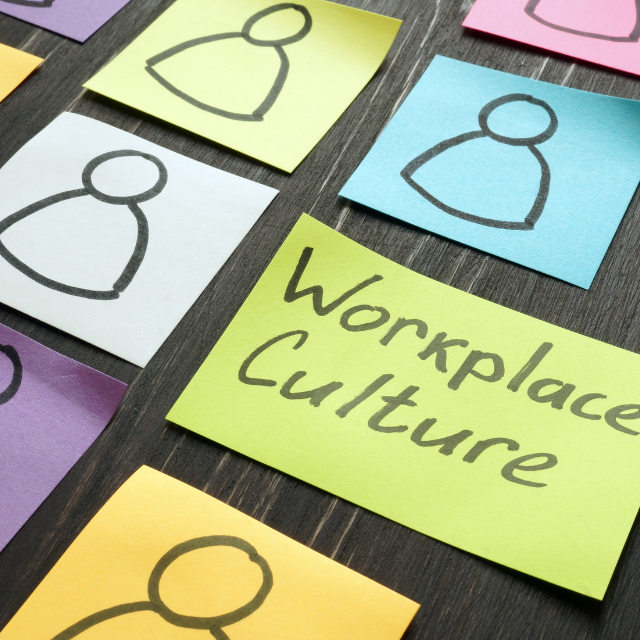
Remote and hybrid work changed how employees connect, collaborate, and stay motivated. In this article, we explore the best practices for engagement in distributed teams — from communication frameworks to documentation systems — and how today’s strategies differ from traditional in-office approaches.