
More Than Policies: Craft a Handbook That Engages and Protects
Crafting an effective handbook requires more than just a template and a few policies—it’s about creating a document that both informs and engages your employees.
Crafting an effective handbook requires more than just a template and a few policies—it’s about creating a document that both informs and engages your employees.

People are often called the weakest link in cybersecurity, but that doesn’t have to be true. Discover why emotionally intelligent, scenario-based cybersecurity awareness training helps employees make better decisions than fear-based compliance programs—and how learning and technical communication can strengthen your organization’s first line of defense.

AI has a surprising new favorite employee: the one who documents decisions, follows consistent processes, and makes knowledge easier for others to use. As AI becomes part of everyday work, those habits are becoming more valuable than ever.

“Because we’ve always done it that way” may explain how a process survived, but it doesn’t mean the process still makes sense. Here’s why organizations should occasionally question their most familiar ways of working.

AI isn’t just another software tool—it changes how managers lead. As AI begins making recommendations, generating content, and supporting decisions, leadership becomes less about assigning work and more about defining outcomes, building guardrails, and ensuring the knowledge behind AI is accurate. This Quick Take explores why managing AI is fundamentally different from managing software.

Microlearning is one of the most effective and engaging job training methods available today. Learn how templates make it even better!

Most organizations think tribal knowledge becomes a problem when someone retires or resigns. In reality, it’s costing them time and money every day. Discover how hidden knowledge bottlenecks quietly reduce productivity, limit AI readiness, and keep your experts from doing the work that matters most.

Complexity isn’t a badge of honor. It’s often the reason employees waste time searching for information, navigating confusing processes, and working around outdated systems. This article explores why simplifying documentation, workflows, and training leads to better productivity, improved knowledge retention, and happier employees—without making the work itself any less sophisticated.
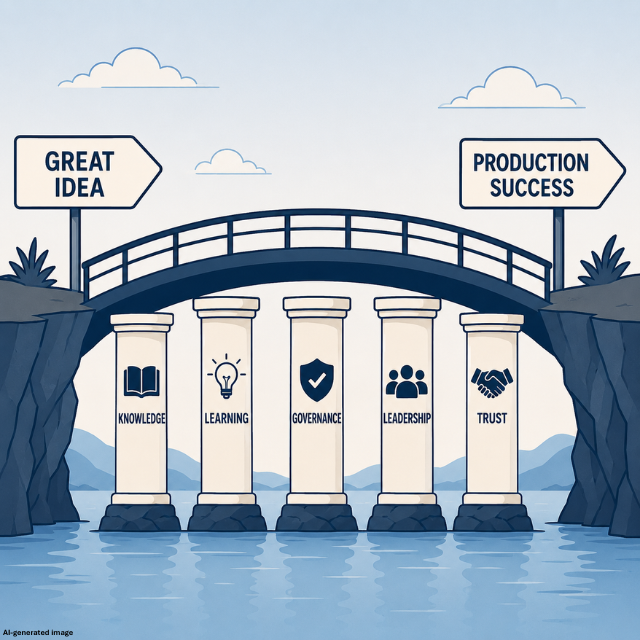
One of the biggest reasons AI pilots fail isn’t the technology. It’s the gap between value and feasibility. An idea may promise enormous business impact, but without trusted knowledge, change readiness, leadership support, and employee confidence, it rarely survives beyond the pilot stage.

Technology may trigger a crisis, but knowledge determines the response. Learn why crisis documentation, knowledge management, leadership, and training form the foundation of organizational resilience—and how a living knowledge base helps teams adapt when disruptions occur.