If you think about it, a great New Year’s Eve party and a well-designed learning experience have a lot in common. Both require planning, pacing, and a deep understanding of your audience. Both involve balancing structure with spontaneity. And both succeed when everyone leaves feeling like they were part of something memorable.
So, before you pop the champagne, let’s look at what every instructional designer can learn from a successful New Year’s Eve bash.

The first rule of throwing a successful party—or designing effective training—is knowing who’s coming.
The best parties (and courses) cater to everyone with thoughtful options: space to explore, moments to engage, and maybe a quiet breakout area for reflection.
ID Takeaway: One-size-fits-all is the fastest way to lose engagement. Tailor the experience to your learners, not your assumptions.
At a party, the first 15 minutes determine the vibe. Too much awkward silence, and people start scrolling their phones. Too much noise, and they feel overwhelmed.
The same goes for your learning design. Start with a clear objective, a welcoming tone, and an early “win” that makes people feel confident they’re in the right place.
ID Takeaway: First impressions matter. Hook learners quickly, guide them clearly, and make the experience feel worth their time.
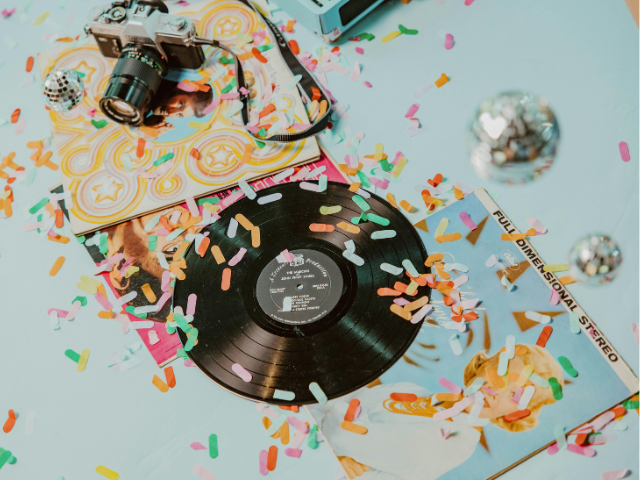
Every memorable party has a great playlist that moves naturally from high energy to slow moments, keeping everyone engaged.
Your course should do the same. Too much intensity (or interactivity) too soon can exhaust learners. Too little, and they’ll mentally check out. The key is pacing: build momentum, offer variation, and end on a high note.
ID Takeaway: Great learning has rhythm. Mix content types, vary delivery, and time transitions like a DJ who knows their crowd.
You can’t schedule spontaneous joy. At parties and in courses, people need room to explore, discover, and participate freely.
That means:
ID Takeaway: Leave a little room for the unexpected. Real engagement often comes from learner discovery, not designer control.

The best hosts don’t serve one round of drinks and call it a night, they keep guests refreshed throughout the evening.
Instructional designers should do the same with learning reinforcement. Knowledge needs refills: short refreshers, follow-up nudges, and practical resources that keep ideas alive after the main event.
ID Takeaway: Learning doesn’t stop when the course ends. Reinforce, remind, and re-engage to keep the momentum going.
At midnight, everyone cheers. It’s not because the clock hit twelve, it’s because they’ve shared an experience together.
In learning, celebration matters too. Recognition, feedback, and visible progress give learners a sense of accomplishment and closure.
ID Takeaway: Build in celebration moments: badges, certificates, positive reinforcement, or a simple “Well done!” to make learning feel complete.
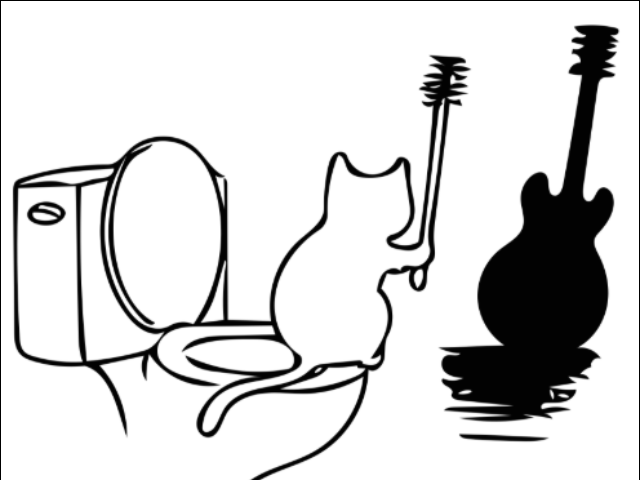
The morning after the party, a good host looks around and thinks: What worked? What didn’t? And why is the cat making shadow figures with the bathroom scrubber?
Evaluation is your post-party cleanup. Gather feedback, check analytics, and refine your design for next time. Every great event—and every great course—gets better with reflection.
ID Takeaway: Continuous improvement is the real afterparty.
As you wrap up the year, think of your instructional design like that perfect New Year’s Eve party: well-planned, inclusive, engaging, and just a little bit magical.
Here’s to making your 2026 courses as unforgettable as the countdown itself.
Happy New Year!