
This is the first of a 12-month series, The Human Side of Technology. It will focus on how technology succeeds or fails because of people, and the importance of emotional intelligence, leadership, and documentation in an increasingly AI-powered world.
Every time a new technology enters the workplace, we hear the same promise: This will change everything.
AI-powered platforms, data dashboards, automated workflows promise efficiency, speed, and insight. But here’s the truth every experienced leader, writer, and trainer eventually learns: technology doesn’t transform organizations. People do.
Behind every successful digital transformation are humans who understand how to communicate, document, teach, and lead others through change. When those elements are missing, even the most impressive tools fail.
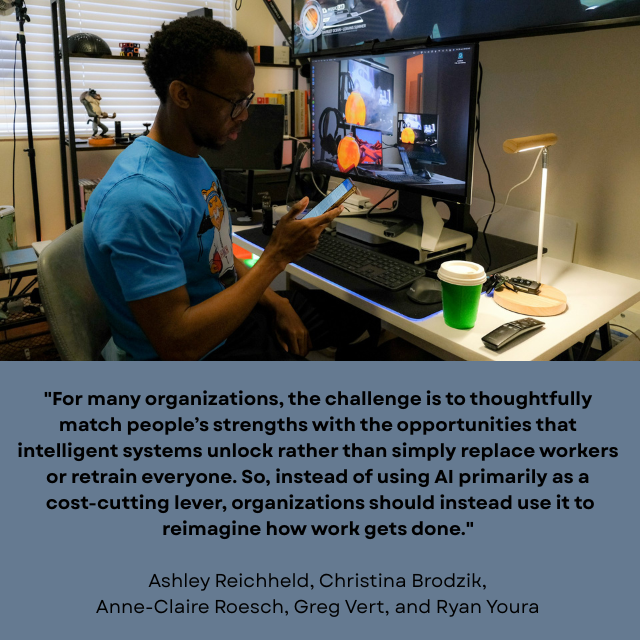
Trust is paramount. Research from Deloitte shows that trust in company-provided generative AI tools fell 31% between May and July of 2025. Trust in agentic AI systems that can act independently dropped 89% during the same period. Most employees are wary of technology making decisions they are used to making.
Think about the last major software rollout that went sideways. The issue probably wasn’t the code, it was confusion.
Maybe employees didn’t understand why the change was happening. Maybe the documentation was outdated, or the training missed real-world workflows. Maybe leaders underestimated how hard it is for people to unlearn old habits.
That’s the human side of technology: the gap between what a system can do and what people are ready (or willing) to do with it.
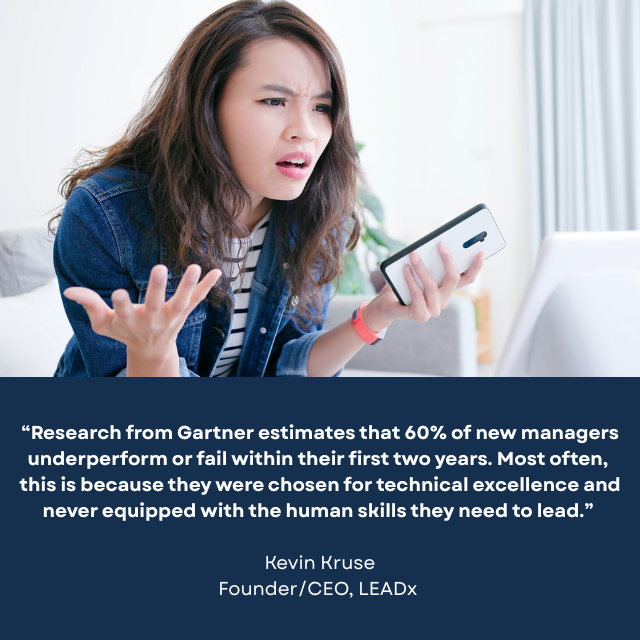
Digital transformation doesn’t start with an IT team. It starts with leadership that combines technical literacy and emotional intelligence.
Leaders shape how people feel about change. They can make it exciting or exhausting, inclusive or intimidating. The difference comes down to empathy, understanding how new tools disrupt not just workflows, but identity, comfort, and confidence.
Effective leaders in tech-driven environments:
When leaders handle technology with empathy, adoption stops feeling like an edict and starts feeling like a shared adventure.
Technology moves quickly, but clarity still wins the race. Think of documentation as the map that helps people navigate unfamiliar systems, not just a record of how things work.
The best documentation does three things:
When documentation is treated as part of the user experience, not an afterthought, it transforms from “nice-to-have” to “essential infrastructure.”
No one feels confident with a new tool on day one. That’s why training must focus on building competence and comfort at the same time.
Too often, organizations push new technology and assume learning will happen naturally. But change fatigue and information overload make even the simplest systems feel overwhelming.
Human-centered training focuses on:
People don’t fear technology—they fear feeling incompetent with it. Good training turns that fear into fluency.
The human side of technology doesn’t end with implementation. Once the novelty fades, the challenge becomes consistently keeping everyone aligned as systems evolve.
Knowledge management (KM) ensures that insights, updates, and best practices don’t vanish into inboxes or siloed teams. It creates continuity in an environment built on change.
When KM systems are clear, collaborative, and accessible, employees stop reinventing solutions and start refining them. That’s what sustainable digital maturity looks like.
The Human Formula for Digital Success
Here’s the real equation for transformation:
Leadership (Empathy + Clarity) + Training (Confidence + Competence) + Documentation (Context + Simplicity) + Knowledge Management (Access + Continuity) = Sustainable Change
Technology enables the work; but people make it work.
Every organization chasing digital transformation eventually learns the same lesson: you can buy technology, but you have to build trust, knowledge, and clarity.
When you put people at the center, through empathetic leadership, strong documentation, and thoughtful training, technology becomes what it was always meant to be: a tool for human progress.
Best Practices for Effective and Engaging Communication in the Workplace
Soft Skills: The Secret Weapon for Career Success
The Importance of Training in Change Management
Cremo, Annette, Ph.D. and Tom Bux, M.Ed. “The Heart of Learning: Human-Centered Training in the Age of AI.” Training Mag. 8/11/25. Accessed 12/4/25. https://trainingmag.com/the-heart-of-learning-human-centered-training-in-the-age-of-ai/
Kruse, Kevin. “How Emotional Intelligence Transforms Experts Into Great Leaders.” Forbes. 10/17/25. Accessed 12/4/25. https://www.forbes.com/sites/kevinkruse/2025/10/17/how-emotional-intelligence-transforms-experts-into-great-leaders/
“Managing to Fail? Why New Leaders Need Training.” Wharton @ Work. September, 2024. Accessed 12/4/25. https://executiveeducation.wharton.upenn.edu/thought-leadership/wharton-at-work/2024/09/new-leaders-need-training/
Reichheld, Ashley, Christina Brodzik, Anne-Claire Roesch, Greg Vert and Ryan Youra. “Workers Don’t Trust AI. Here’s How Companies Can Change That.” Harvard Business Review. 11/7/25. Accessed 12/4/25. https://hbr.org/2025/11/workers-dont-trust-ai-heres-how-companies-can-change-that
“The real barrier to AI adoption isn’t technology — it’s trust.” Deloitte. 10/29/25. Accessed 12/4/25. https://action.deloitte.com/insight/4749/the-real-barrier-to-ai-adoption-isnt-technologyits-trust