Reskilling & Upskilling for 2026: What Professionals Should Be Ready For

The workplace is evolving faster than most trainers can update their slides. Between AI integration, hybrid team structures, and the global demand for adaptable skills, 2026 will be a year defined by one key concept: readiness.

For technical writers, instructional designers, and knowledge management (KM) professionals, that means more than learning a new tool or rewriting a few job aids. It means anticipating change, staying flexible, and ensuring your organization’s knowledge base evolves right alongside its workforce.


The Skills Shift Is Accelerating

In 2026, upskilling and reskilling aren’t just HR buzzwords—they’re business survival strategies. According to LinkedIn, 91% of L&D pros agree that continuous learning is more important than ever for career success. However, 49% of them also agree that their executives worry that employees don’t have the right skills to meet business objectives. Some of the biggest concerns focus on digital literacy and soft-skill resilience, such as:
  • AI integration. Employees need to understand not just how to use new tools, but how to think critically about automation, data integrity, and ethics.
  • Workforce flexibility. With hybrid and contract work models now the norm, teams must know how to collaborate, document, and share knowledge across time zones.
  • Job transformation. Roles are blending: technical communicators are becoming educators, instructional designers are evolving into performance consultants, and KM experts are acting as digital librarians and data stewards.

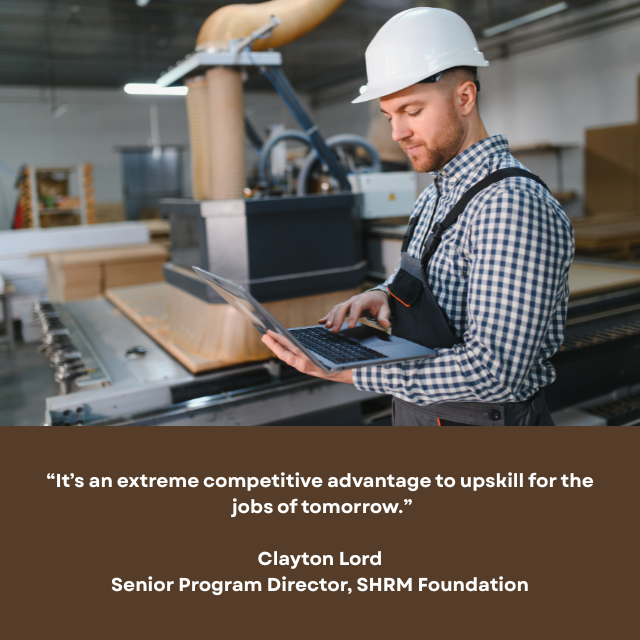
Person wearing hardhat, standing next to a large machine while looking at the screen of a laptop computer. Caption reads: "It's an extreme competitive advantage to upskill for the jobs of tomorrow." -Clayton Lord, Senior Program Director, SHRM Foundation


What Technical Writers Should Focus On

Technical communication is moving beyond “how-to” toward “why-it-works.”

In 2026, the best writers will be:

  • Building adaptive content that can be reused across platforms and personalized for multiple audiences.
  • Collaborating with AI tools to generate first drafts, but maintaining human quality control, accuracy, privacy, and clarity.
  • Creating knowledge-ready documentation that integrates directly into learning management systems (LMS) and digital assistants.


Tip: Pair your style guide updates with AI-governance training. Writers who understand prompt engineering, bias detection, and ethical AI review will be invaluable.


What Instructional Designers Should Focus On

Instructional designers are now learning architects, not just course creators. In 2026, design priorities will include:

  • Creating microlearning ecosystems that blend performance support with on-demand resources.
  • Using analytics and xAPI data to prove learning impact.
  • Building AI-assisted simulations and scenario-based learning that mimic real-world decision-making.
  • Designing training that promotes thinking skills, not just task completion.


ID pros should also strengthen collaboration with technical writers and KM teams to maintain a single source of learning truth—reducing duplication and confusion.


What Knowledge Management Professionals Should Focus On

Knowledge management is shifting from being a back-office function to a strategic driver. In 2026, expect KM to sit closer to the C-suite as organizations realize knowledge is their most renewable resource.

Key areas of focus:
  • Building AI-ready repositories that can be searched semantically, not just by keywords.
  • Embedding knowledge capture into workflows instead of after-action reports.
  • Partnering with L&D to ensure that “learning in the flow of work” feeds directly back into the organization’s documentation systems.
  • Fostering a knowledge-sharing culture, rewarding employees for creating and maintaining content.

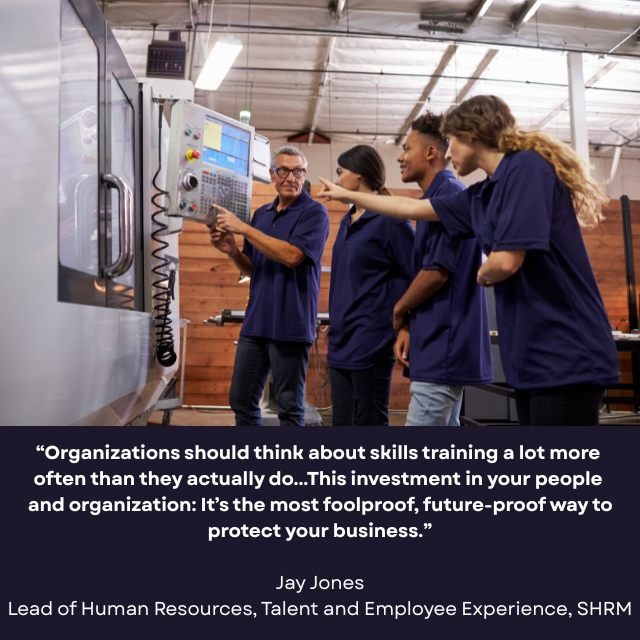
Several people in blue scrubs watching another person show them how to use a machine. Caption reads: "Organizations should think about skills training a lot more often than they actually do...This investment in your people and organization: It's the most foolproof, future-proof way to protect your business." -Jay Jones, Lead of Human Resources, Talent and Employee Experience, SHRM


How to Future-Proof Your Role

The most successful professionals in 2026 will be the ones who:

  • Think like strategists—connecting documentation, learning, and knowledge sharing to business outcomes.
  • Collaborate cross-functionally—bridging HR, IT, and operations to maintain consistent content ecosystems.
  • Invest in continuous learning—certifications in learning analytics, content design, and AI literacy will stand out.


As work keeps evolving, the question isn’t whether you’ll need to reskill, but whether your organization’s learning infrastructure is ready for what comes next.


Final Thoughts

Reskilling and upskilling aren’t one-time events. They’re ongoing processes that depend on clear documentation, smart instructional design, and resilient knowledge systems. In other words, 2026 belongs to the professionals who already know how to learn, document, and share better than anyone else.


Related Blogs

What Happens When Knowledge Isn’t Documented? Lessons from Aviation for Knowledge Management  

The Power of Outlines in Technical Writing and Instructional Design  

Need It Now? Why Just In Time Learning Works (and How Microlearning Helps)

References

Fitzgerald, Patricia. “Upskilling and Reskilling: Training Today for a Future-Forward Tomorrow.” SHRM. 4/11/25. Accessed 11/25/25. https://www.shrm.org/topics-tools/flagships/all-things-work/upskilling-reskilling-future-forward-tomorrow

Privacy Overview

This website uses cookies so that we can provide you with the best user experience possible. Cookie information is stored in your browser and performs functions such as recognising you when you return to our website and helping our team to understand which sections of the website you find most interesting and useful.