

This is the first of six posts in a new series about risk and resilience.
Disruption is inevitable. Chaos is not.
Organizations don’t fail during crises because people stop caring or working hard. They fail because critical knowledge is missing, outdated, inaccessible, or trapped in someone’s head when it’s needed most.
This six-part Risk & Resilience series explores how organizations can prepare for uncertainty without panic. We’ll focus on crisis management, business continuity, and leadership under pressure, viewed through a practical lens that emphasizes knowledge management, documentation, and learning systems as tools of stability.
Let’s start by addressing the quietest, most underestimated asset in any crisis: documentation.
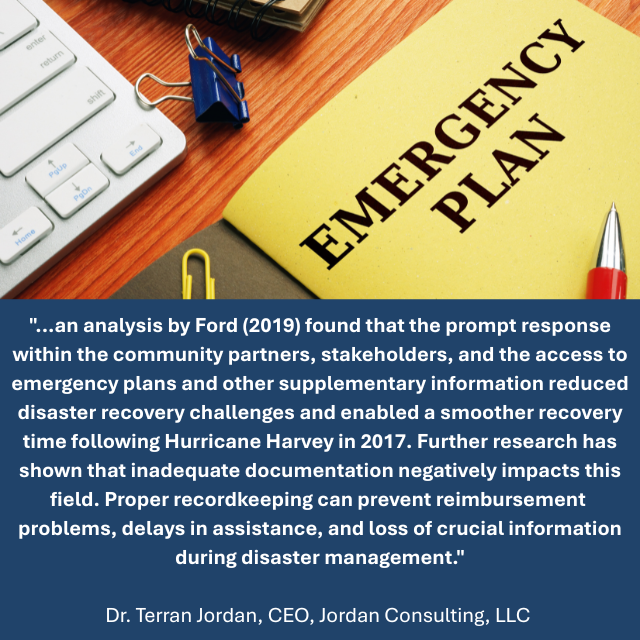
When something breaks, there is no time to “look it up later.”
Crises compress decision-making. Stress narrows attention. Teams need answers immediately, not perfectly written manuals buried three folders deep.
In those moments, documentation becomes operational infrastructure. Well-designed documentation helps organizations:
Poor documentation does the opposite, amplifying confusion and forcing teams to rely on memory, guesswork, or tribal knowledge. (See Resilience in the Workplace: How Knowledge Management can Help Organizations Adapt to Uncertainty.)
Most organizations already have documentation. The problem is that it was never designed for crisis conditions.
Documentation that works under pressure is:
This is where technical writing and knowledge management intersect. Technical writing brings clarity and usability. Knowledge management ensures the right content exists, stays current, and lives where people expect to find it. (See What Happens When Knowledge Isn’t Documented: Lessons from Aviation for Knowledge Management.)
Documentation is often treated as a post-incident activity. Something teams clean up after the damage is done. In reality, strong documentation prevents many crises from escalating in the first place.
Examples include:
When documentation is embedded into daily work, organizations build resilience long before disruption arrives. (See How to Capture Institutional Knowledge Before it Walks Out the Door.)

What Leaders Get Wrong About Documentation in a Crisis
Under pressure, leaders often assume documentation slows teams down. In practice, the opposite is true.
Common misconceptions include:
Documentation does not replace leadership. It supports it by giving teams shared understanding when leaders cannot personally guide every decision. (See Leading Through Uncertainty: The New Core Competency.)
This article sets the foundation. Over the next five months, the Risk & Resilience series will explore:
Each post focuses on practical actions organizations can take before, during, and after disruption. (See Knowledge Management’s Role in Change.)
Clear, current documentation is not a “nice to have.” It is an operational safeguard.
When a crisis hits, no one has time to search for answers or interpret outdated instructions. Organizations that invest in usable documentation and intentional knowledge management respond faster, make better decisions, and recover with less damage.
Documentation may not feel heroic in calm times. In moments of pressure, however, it is often the difference between control and chaos.
Preparing for Business Disruptions: BCPs, DRPs, and BCDRs
How a Disaster Recovery Plan can Save Your Documents — and Your Company
How CrowdStrike’s Faulty Update Became a Worldwide Wake-Up Call
Abrams, Zara. “Leadership in times of crisis.” APA.org. 7/1/20. Accessed 1/14/26. https://www.apa.org/monitor/2020/07/leadership-crisis
Jordan, Dr. Terran. “What is the importance of documentation and recordkeeping in emergency management?” LinkedIn. 5/10/23. Accessed 1/6/26. https://www.linkedin.com/pulse/what-importance-documentation-recordkeeping-emergency-terran-jordan