

This is the tenth post in a monthly series about change management.
Change is inevitable. Success is not.
The average employee now lives through about ten planned change initiatives every year—five times more than a decade ago. Yet instead of becoming more adaptable, employees are burning out. Engagement is slipping, overall health is declining, and the message from experts is clear: this pace isn’t slowing down anytime soon.
Most organizations do not fail at change because the strategy was wrong. They fail because the execution ignored the human side of the process. Resistance builds quietly. Goals blur. Communication fragments. And by the time leadership realizes something is off, momentum has already stalled.
The good news is that these challenges are predictable, which means they are also preventable.

Even well-intentioned change initiatives tend to stumble over the same obstacles.
Resistance is not a personality flaw. It is information. Employees resist change when they:
Resistance often shows up as silence, delays, workarounds, or passive compliance rather than open opposition.
Many change efforts launch with enthusiasm – and vague direction. Phrases like “be more efficient” or “modernize our systems” sound good, but provide no actionable clarity. Without clear goals:
One kickoff meeting does not count as a communication strategy. Common communication breakdowns include:
When communication drops, rumors fill the gap.
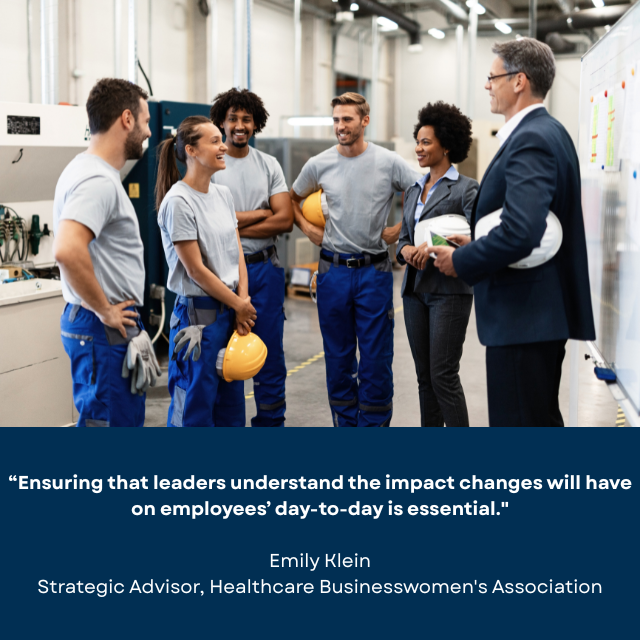
The most effective change leaders treat resistance, confusion, and feedback as signals rather than problems to suppress.
People need context before they can commit. Strong change communication consistently answers:
Repeat the message often and in multiple formats. Town halls, documentation, manager talking points, and training materials should all reinforce the same narrative.
Clarity reduces anxiety. Effective change goals are:
Instead of “improve efficiency,” define what improvement looks like:
When people know what success looks like, they can help achieve it.
During change, memory is unreliable and assumptions multiply. Documentation provides:
Living documentation that evolves with the change helps teams stay aligned even as plans adjust.
Front-line managers are the most trusted interpreters of change. Equip them with:
When managers understand the change, they can translate it into practical guidance instead of speculation.
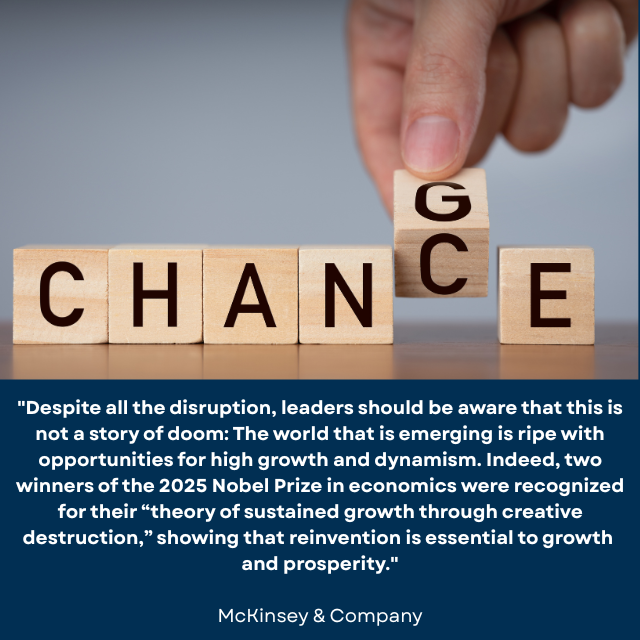
No change plan survives first contact with reality unchanged. Adaptability is not a sign of weak planning, it is a sign of responsive leadership.
Feedback should be collected continuously, not only after something goes wrong. Effective feedback channels include:
Patterns matter more than individual complaints.
When plans change, explain why. Employees lose trust when leaders quietly pivot without acknowledgment. Transparency builds credibility even when the answer is “We learned something new.” Communicate:
Successful change is iterative. Organizations that handle change well:
Change is not a one-time event. It is an ongoing capability.
Change management is not about eliminating resistance or predicting every obstacle. It is about creating enough clarity, communication, and adaptability to move forward together.
When goals are clear, communication is consistent, and feedback is taken seriously, change stops feeling like something being done to employees and starts feeling like something they are part of.
And when documentation, training, and leadership alignment support that process, change is survivable and sustainable.
Communication Strategies for Change Management
Measuring the Success of Change Management
Knowledge Management’s Role in Change
“8 Keys to Managing Change Effectively.” SHRM. 12/3/24. Accessed 12/30/25. https://www.shrm.org/enterprise-solutions/insights/8-keys-to-managing-change-effectively
“Change is changing: How to meet the challenge of radical reinvention.” McKinsey & Company. 11/19/25. Accessed 12/30/25. https://www.mckinsey.com/capabilities/people-and-organizational-performance/our-insights/change-is-changing-how-to-meet-the-challenge-of-radical-reinvention
Emerson, Mary Sharp. “7 Reasons Why Change Management Strategies Fail and How to Avoid Them.” Harvard Division of Continuing Education. 2/24/25. Accessed 12/30/25. https://professional.dce.harvard.edu/blog/7-reasons-why-change-management-strategies-fail-and-how-to-avoid-them